Notes from the Wetlands
In this edition, we take an educational look at three wetland plants and the ecological relationships they form in their habitats. The piece highlights how wetlands support intricate interactions among plants, insects, and animals, revealing the complexity within these quiet ecosystems.
Symbiotic Relationships of Wetland Plants
Wetlands are one of the major habitats shaping life on Earth. They include peatlands, marshes, fens, bogs, swamps, and other areas where water is present either naturally or through human influence. This water can be temporary or long‑lasting, and its depth and duration help define the type of wetland—whether a marsh, floodplain, swamp, lake margin, lagoon, or pond. Many factors influence how wetlands form, such as soil acidity, climate, and the topography of the land.
Because wetlands expose plants to flooding, shade, and nutrient‑poor soils, many wetland flowers have adapted to withstand harsh conditions. These plants, in turn, create shelter and food sources for insects and animals, leading to a variety of ecological relationships. Symbiotic relationships can be positive or negative and are generally grouped into three types. In parasitism, one partner benefits while the other is harmed. In commensalism, one partner benefits and the other is unaffected. In mutualism, both partners benefit from the interaction.
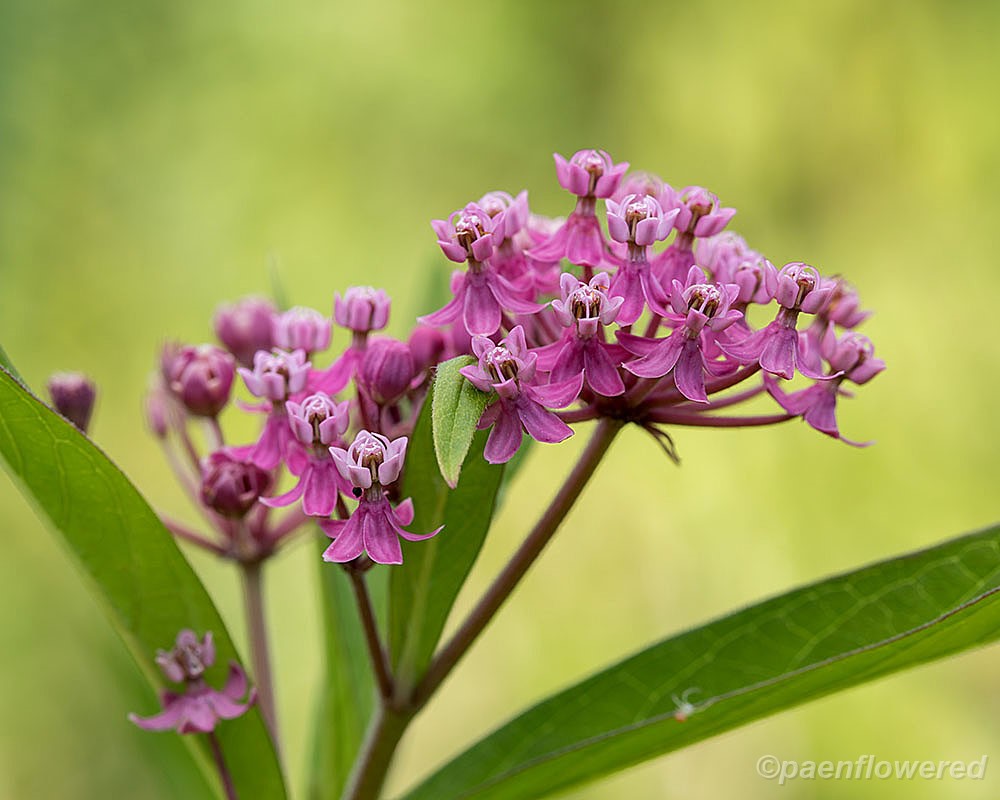
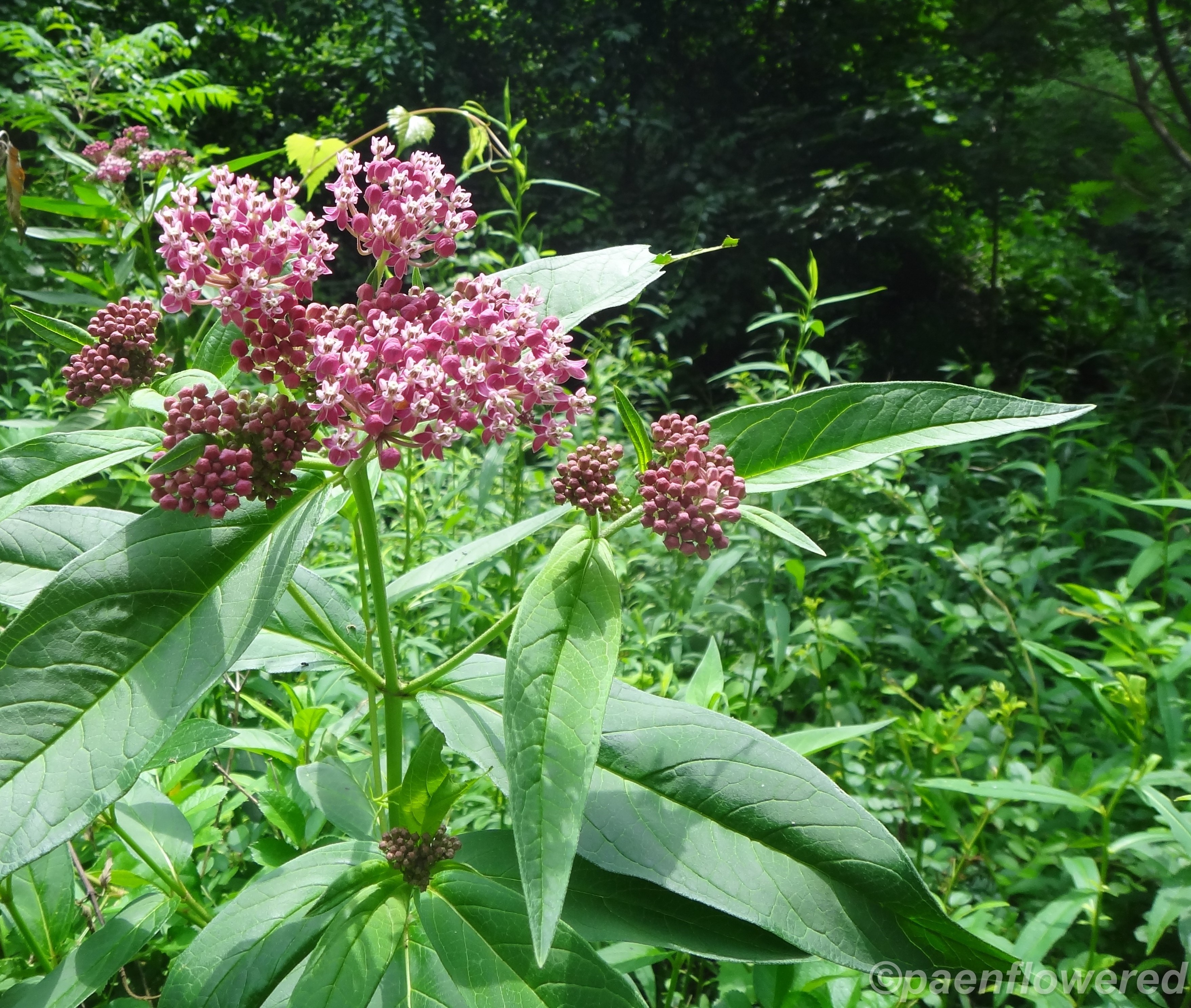
Swamp milkweed (Asclepias incarnata) is native to North America, especially in the eastern United States and throughout the Great Plains. Although it thrives in wet habitats, it can tolerate periods of moderate dryness. Marshes, swamps, wet meadows, and riverbanks provide ideal conditions for this plant, which is why it earned its common name. Swamp milkweed grows best in full sun and moist, organic‑rich soils, which are common in many wetlands. These soils are often slightly acidic and support the availability of essential nutrients such as nitrogen and phosphorus, both of which are important for the plant’s growth.
Swamp milkweed is easy to recognize by its clusters of small pink to purple flowers held on tall stems. Each flower has five petals and is about a quarter inch wide. The plants typically grow between four and six feet tall. Their leaves are long and lance‑shaped, usually measuring two to six inches. Swamp milkweed is an herbaceous perennial and relies on pollinators—such as bees, wasps, butterflies, and other nectar‑feeding insects—for successful reproduction. After flowering, it produces long seed pods that split open when mature, releasing many wind‑dispersed seeds. Like many perennials, swamp milkweed is considered easy to grow because it is low‑maintenance and able to adapt to a variety of environments.
Swamp milkweed supports many beneficial relationships, especially with monarch butterflies. Adult monarchs are drawn to milkweed in the spring and lay their eggs on its leaves, even before the plant begins to bloom. The caterpillars feed exclusively on milkweed foliage before leaving the plant to form their chrysalis. Because swamp milkweed contains toxic cardenolides, monarch caterpillars absorb these compounds as they feed, which helps protect them from many predators during this vulnerable stage.
Oleander aphids form a parasitic relationship with milkweed. They feed on the plant’s sap and, in the process, absorb cardenolide toxins from the milkweed. These toxins make the aphids distasteful or poisonous to many predators, giving them an important defense while they feed.
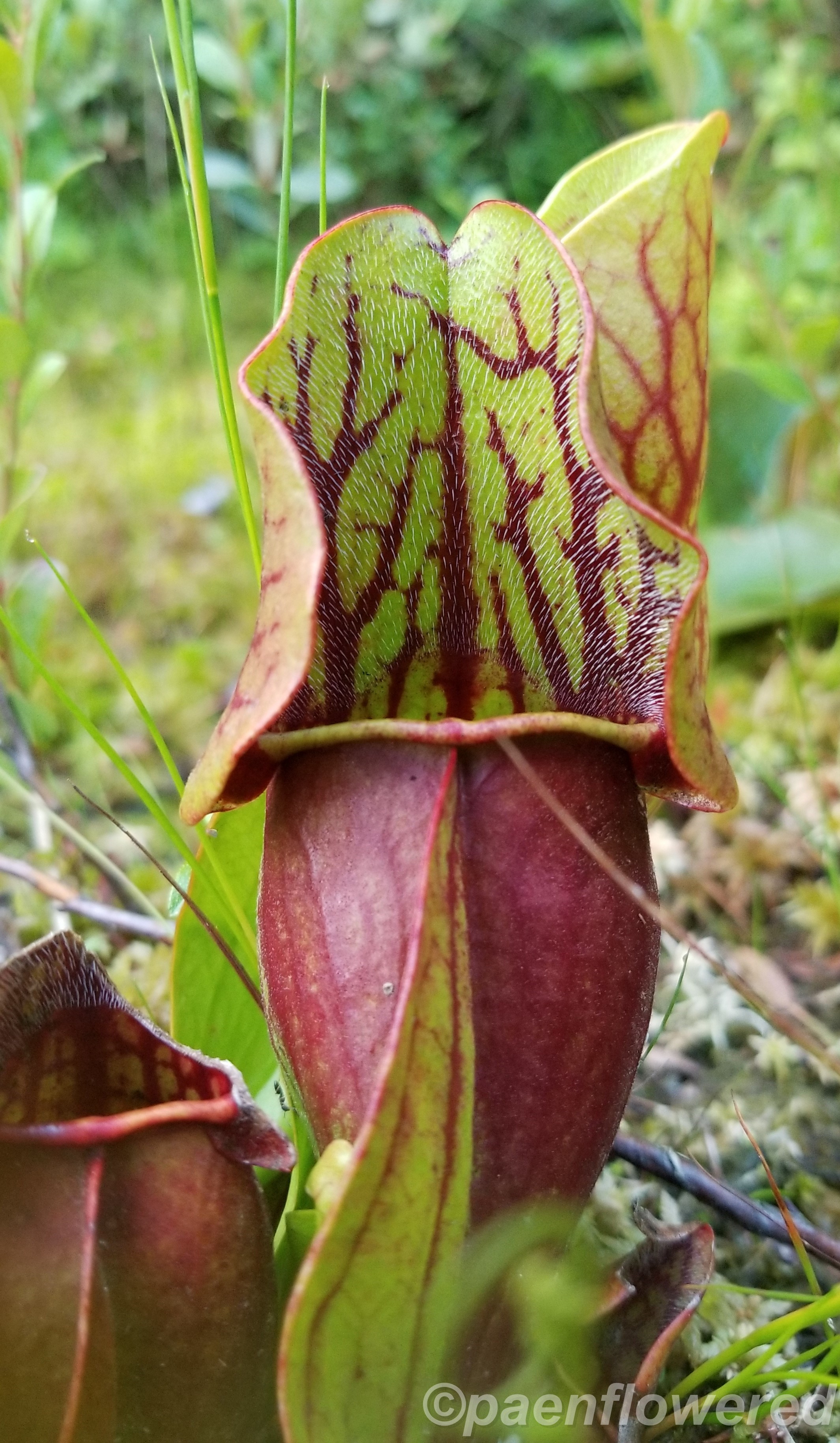
Sarracenia purpurea, commonly known as the purple pitcher plant, is found throughout the northern and eastern regions of North America, extending through the Midwest and well into Canada. It grows in wetland habitats, especially bogs and other acidic peatlands. These areas have soils that are extremely low in nutrients such as nitrogen, calcium, magnesium, and potassium, which contributes to their acidity. Although purple pitcher plants can tolerate warmer climates, they thrive best in wet, acidic environments. Because they live in places with very few essential nutrients, they obtain much of their nourishment by capturing insects and small animals, which classifies them as carnivorous plants.
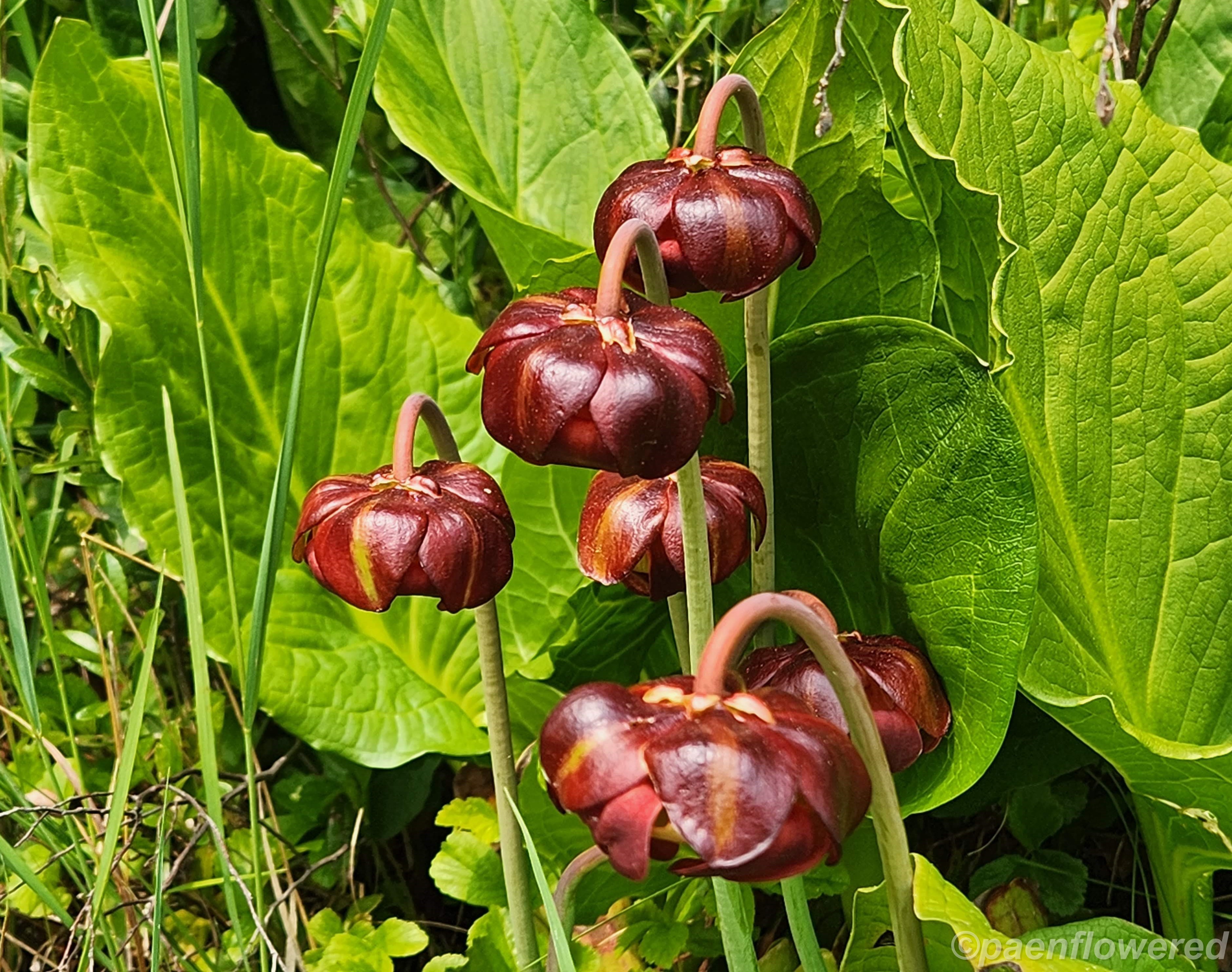
Purple pitcher plants are usually reddish‑purple in color, which is how they earned their name. Some individuals may appear more green with purple veins, but they do not show the bright yellow, pink, or white colors found in other pitcher plant species. Their flowers hang upside down and are round in shape, held on stalks that can reach about 20 inches tall. The plant’s pitcher‑shaped leaves stand upright and hold rainwater, creating a small aquatic microecosystem inside each leaf. This fluid contains both the plant’s own digestive enzymes and a community of microorganisms—such as bacteria, insect larvae, and specialized mites—that help break down captured prey. These leaves secrete nectar that attracts insects and small animals. When prey slips into the pitcher, it is decomposed through the combined action of the plant’s enzymes and the microorganisms living in the fluid, allowing the plant to absorb the nutrients it needs.
Purple pitcher plants are perennial and remain dormant through the winter months. They begin to flourish in April or May, with new growth appearing throughout the summer. These plants can reproduce both vegetatively and sexually. Vegetative reproduction occurs through new shoots that grow from the base of the plant. When pitcher plants reproduce sexually, their fruit splits open once it is fully ripe, releasing many small, lightweight seeds. These seeds are easily carried by the wind, allowing the plant to disperse across suitable wetland habitats.
Although pitcher plants are carnivorous, they can still be harmed by certain insects and animals. Aphids form a parasitic relationship with pitcher plants by feeding on their leaves, which can cause the leaves to deform. Mealybugs are also parasitic, taking nutrients from the plant without killing it. In contrast, pitcher plant flies have a commensal relationship with pitcher plants. These flies feed on the leftover material inside the pitcher without harming the plant, benefiting from the plant’s trap while leaving it unaffected.
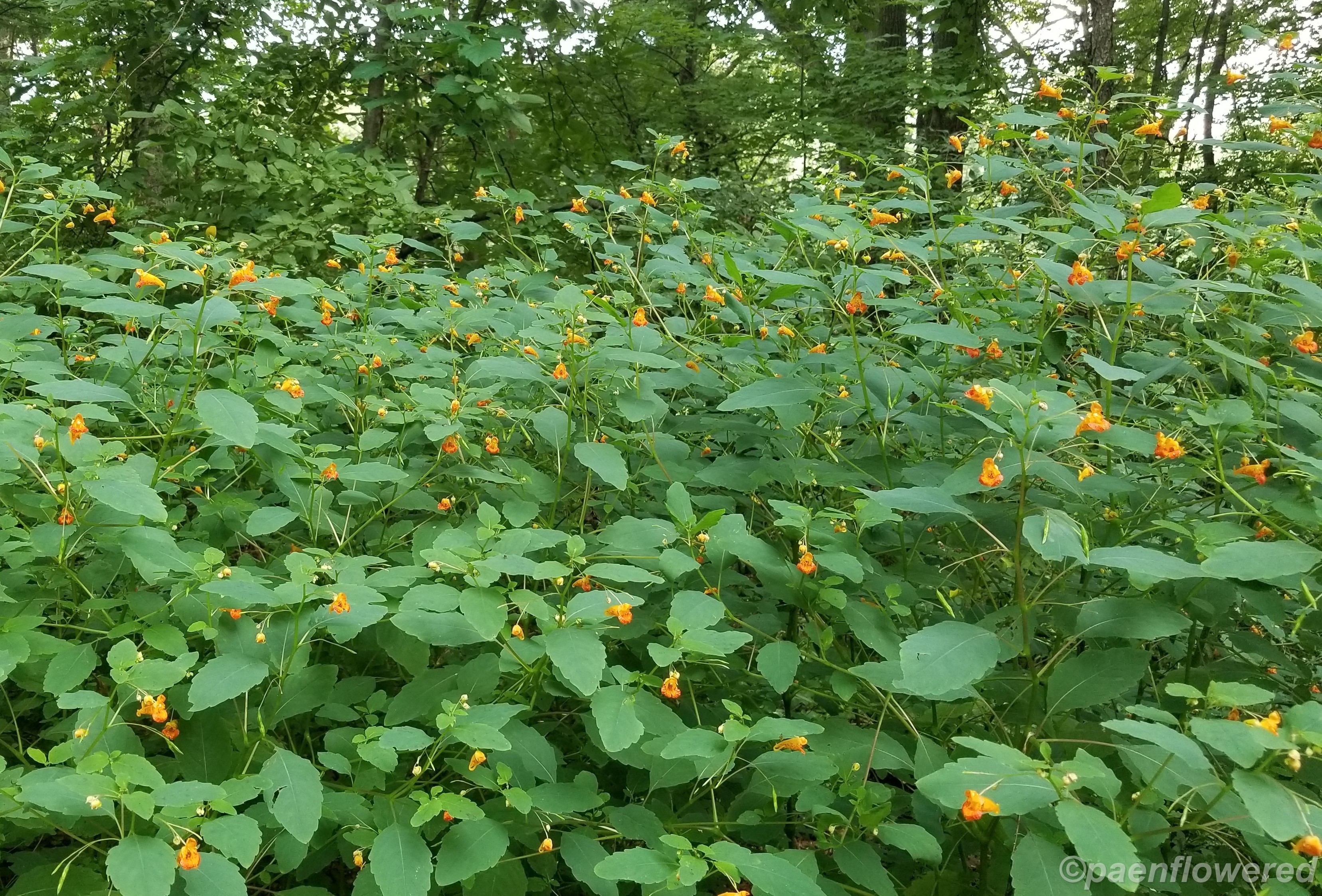
Spotted jewelweed, also known as Impatiens capensis, is found throughout the northeastern United States, but it also grows in parts of the South, including Texas and Florida, and as far west as Colorado. It typically resides in bogs and floodplain forests, though it can also flourish in disturbed habitats such as road cuts and ditches. Because it prefers wet, humus‑rich soil, jewelweed is common in damp low woods, along rivers and springs, and in swampy areas. The plant grows well in partial shade and moist conditions, making these habitats especially suitable for its growth.
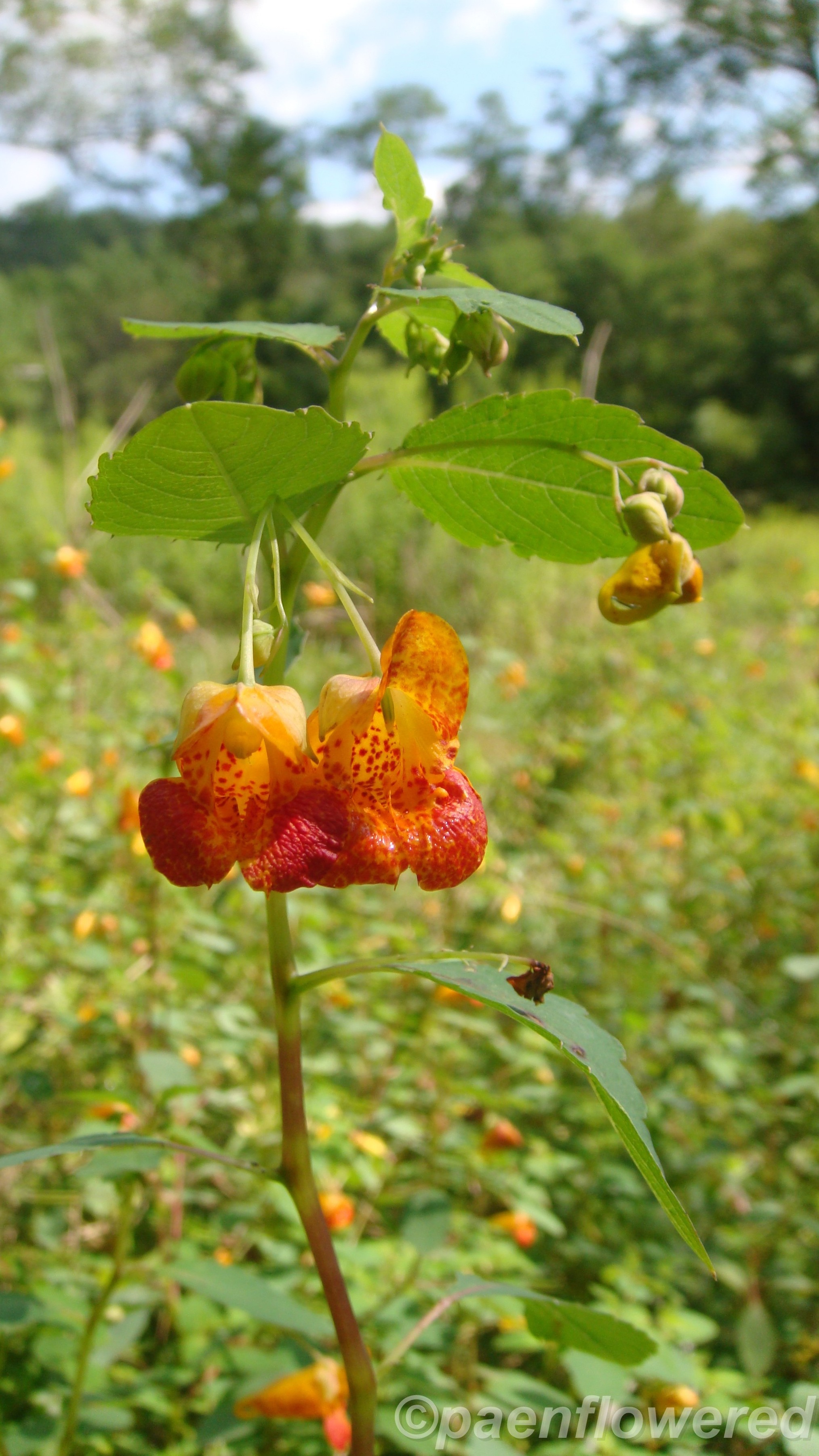
Spotted jewelweed has bright orange flowers marked with reddish‑brown spots, although some individuals show little to no spotting. The flowers are tubular and have a distinctive curved nectar spur at the back. Jewelweed plants typically grow between two and five feet tall. Their leaves are egg‑shaped, about three inches long, and have toothed edges. The leaves are also water‑repellent, causing droplets to bead up on the surface and resemble tiny jewels.
Although spotted jewelweed can reproduce on its own through self‑fertilizing flowers, it also relies on pollinators such as ruby‑throated hummingbirds, bees, and butterflies. Jewelweed is an annual plant whose seeds sprout in early spring and bloom fully in late summer. Its Latin name, Impatiens, translates to “impatient,” referring to the way its ripe fruit quickly splits open to release seeds. The fruit is dry and bursts apart when mature, allowing the seeds to disperse.
Spotted jewelweed forms several ecological relationships with animals and insects. Its bright flowers attract hummingbirds and butterflies, creating a mutualistic relationship in which these pollinators collect nectar while helping spread the plant’s pollen. Leaf beetles are also drawn to jewelweed, but they form a parasitic relationship because they feed on the plant’s leaves and can cause defoliation. Jewelweed has also been used by humans for generations, as its sap can soothe topical ailments such as poison ivy irritation and contact dermatitis.
Wetlands contain many different habitats, each with varying amounts of water. Factors such as soil pH, topography, and climate influence how these habitats form. Swamps, bogs, and other wetland areas often have high water levels and, in many cases, acidic soils, creating conditions where specialized plants can thrive. These plants form numerous ecological relationships, as their nectar and physical structures attract animals and insects that use them for food or shelter. Although some insects and animals may harm wetland plants, many interactions are neutral or beneficial, providing pollination or other ecological support.