Field Notes from the Glacial North
In this edition we turn to Pennsylvania’s boreal islands — pockets of cold, glacial‑shaped habitat where spruce, tamarack, and peatland plants persist far south of their northern home. Here, the legacy of the last ice age lingers in scattered bogs and fens, reminding us how ancient climates still shape the living communities of today.
Boreal Islands
As snow lingers and below‑zero nights settle over much of the state, it becomes easy to imagine life at a higher latitude — or in a time when the world was much colder. Today, we lean into the frost to explore the last ice age, its lasting imprint on Pennsylvania, and a foliage strategy perfectly suited to winter and short growing seasons: the one employed by our region’s evergreens.
The physical character of Pennsylvania was reshaped dramatically by the massive ice sheets of the Pleistocene. These glaciers scoured and reworked the northeastern and northwestern corners of the state, while the southern ridges and the Piedmont remained ice‑free but locked in a tundra‑like climate. As the ice advanced, it carved depressions and potholes — “kettleholes” — into the bedrock. When the glaciers finally retreated, they left behind a mosaic of rocky debris and sandy outwash, creating the thin, nutrient‑poor soils that define the region today. This upheaval set the stage for distinctive plant communities, many of which resemble those of New England or Canada more than the southern tier of Pennsylvania.
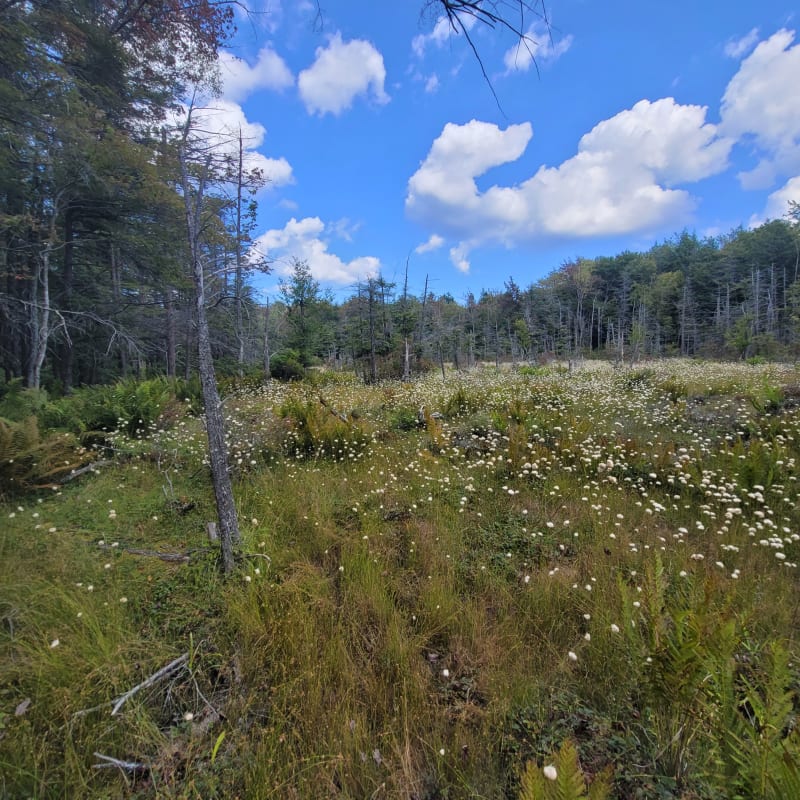
Kettlehole bog
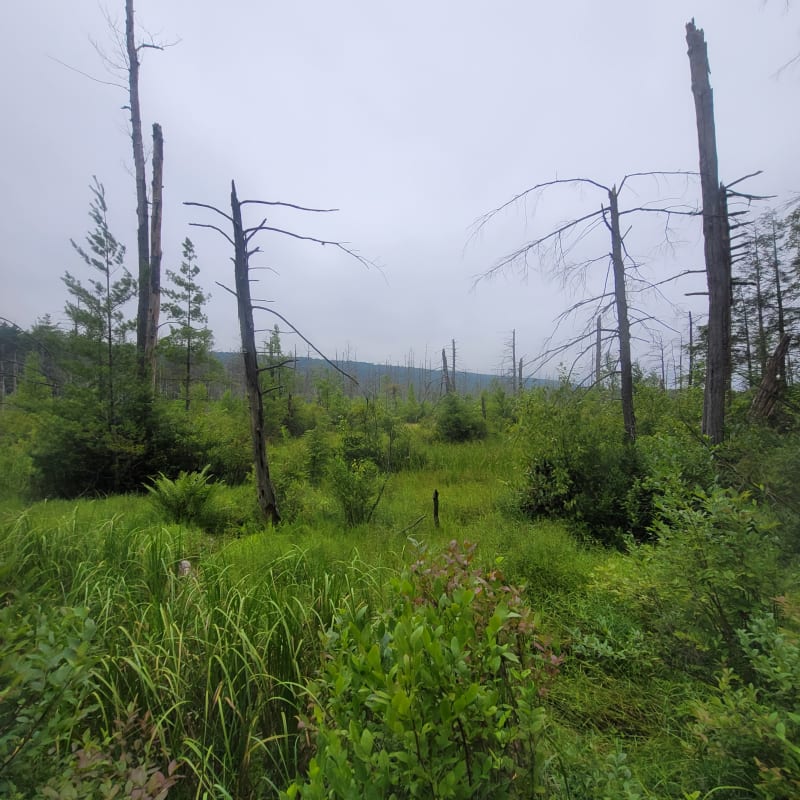
A bog in Bear Meadows Natural Area
Within these glaciated corridors, the legacy of the Laurentide Ice Sheet is most visible in the sphagnum bogs and acidic fens that occupy these kettle depressions. Formed by melting blocks of trapped ice, these wetlands now serve as refuges for northern species that are otherwise rare at such southern latitudes. Chief among them is Black Spruce (Picea mariana), a boreal conifer that finds a foothold in the saturated, oxygen‑poor soils of glaciated peatlands. These stunted, slow‑growing stands often grow alongside other specialists, such as the carnivorous purple pitcher plant (Sarracenia purpurea), which supplements its nutrient‑poor habitat by trapping insects. Together with our deciduous conifer, the tamarack (Larix laricina), these species form a relict community that mirrors the subarctic — persisting only where the lingering “glacial hangover” of cold microclimates and acidic substrates keeps more aggressive temperate hardwoods at bay.
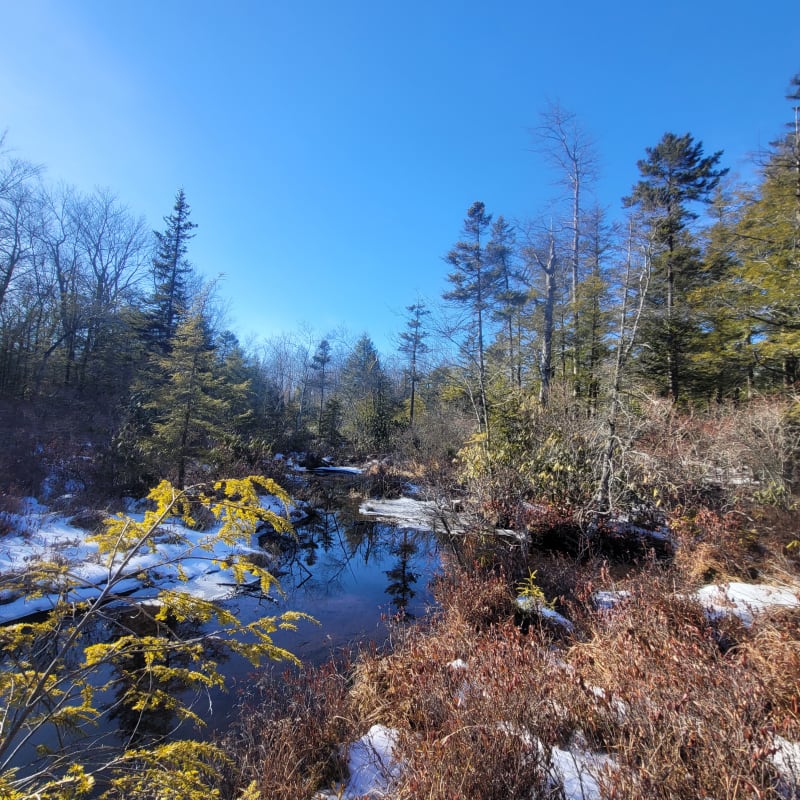
Black spruce and tamarack fen
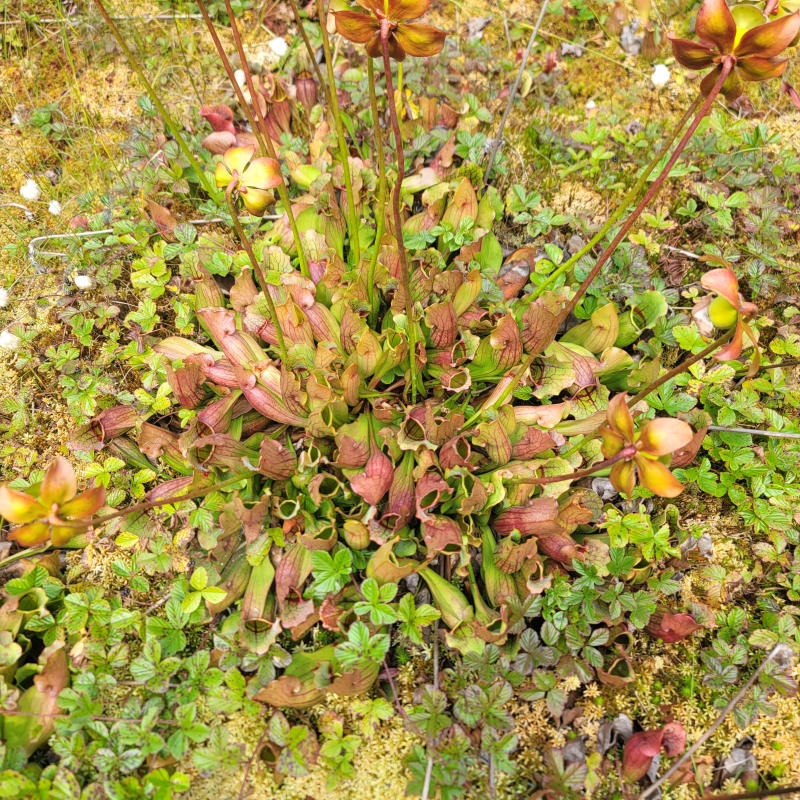
Pitcherplant (Sarracenia purpurea)
Being deciduous is expensive — especially on nutrient‑poor soils or in environments where freezes can arrive unexpectedly. Plants 300 million years ago were already experimenting with solutions to these challenges, giving rise to the conifers. By retaining their needles for multiple seasons, these species can begin photosynthesizing the moment temperatures rise above freezing in early spring, bypassing the “startup time” required for budburst and leaf expansion. This early‑season window is the same brief gap that spring ephemerals exploit in rich deciduous forests.
The thick, waxy cuticle and sunken stomata of conifer needles are also essential for minimizing water loss during the winter drought — a period when frozen soils prevent roots from replacing moisture lost to cold, dry winds. In the lean, acidic soils left behind by the retreating ice, the ability to conserve nutrients within long‑lived foliage provides a decisive advantage over broad‑leaved trees, which must reinvest in new leaves each spring.
This evolutionary mandate to be thrifty with nutrients extends from the canopy down to the forest floor, where a suite of evergreen herbaceous species mirrors the year‑round strategy of the spruce. In the acidic, moss‑draped substrates of Pennsylvania’s glaciated plateaus, plants such as intermediate wood fern (Dryopteris intermedia), teaberry (Gaultheria procumbens), and trailing arbutus (Epigaea repens) maintain functional green tissue throughout the winter months. By keeping their leaves, these low‑growing perennials can seize the brief periods of high light in late autumn and early spring, when the deciduous canopy above, where it exists, is bare.
This strategy is especially important in the nutrient‑limited soils of the glaciated north. Like black spruce, these species avoid the annual cost of leaf replacement. Instead, they rely on durable, leathery foliage that resists herbivory and withstands crushing by snowpack or ice, ensuring they are primed for immediate growth as soon as the thaw begins.
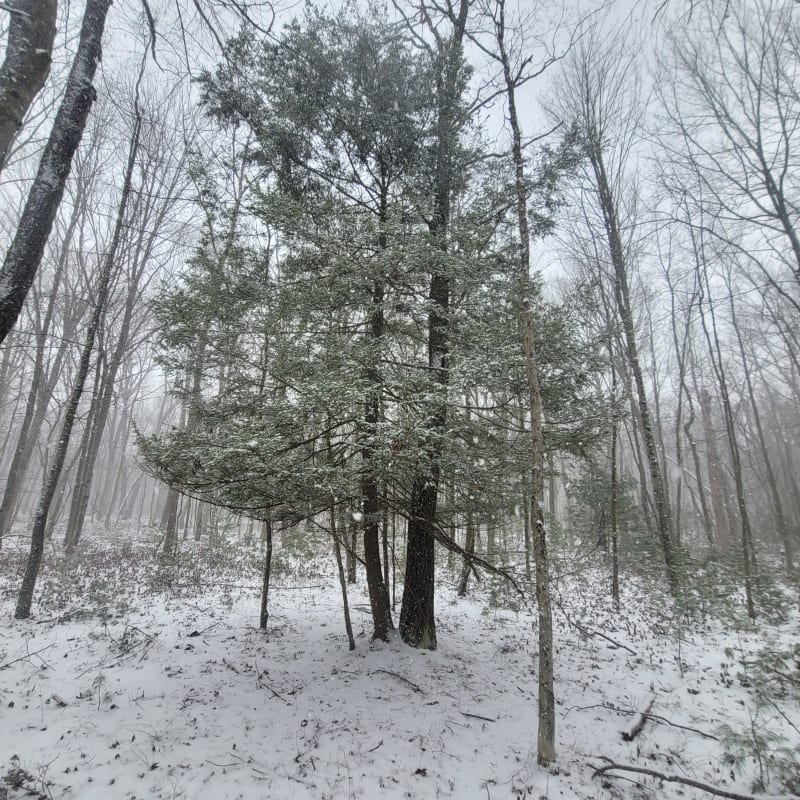
Hemlock in deciduous forest with evergreen understory
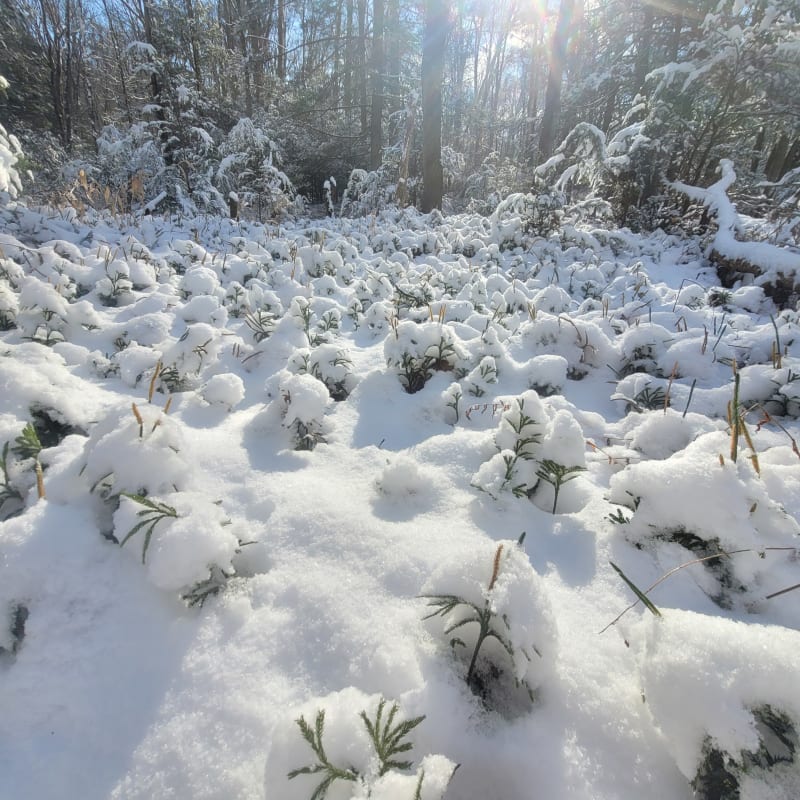
Snowy understory
Today, these glaciated communities exist as ecological islands, stranded atop the high plateaus and within the deep kettle depressions of a warming landscape. These boreal relicts — from the towering black spruce to the low‑growing goldenthread (Coptis trifolia) — are increasingly confined to microclimates where cold‑air drainage and thick peat insulation buffer them against rising regional temperatures. In the context of modern climate change, these sites have become bottleneck habitats: while their northern counterparts can gradually shift their ranges toward the poles, Pennsylvania’s populations are often topographically trapped.
With nowhere higher to climb and no cooler valleys to retreat into, these communities face the dual pressures of heat stress and encroachment by more aggressive temperate species. And because these boreal relicts persist in such fragmented “islands,” they are exceptionally vulnerable to stochastic events. A localized pest outbreak, a record‑breaking heatwave, or a single windstorm can erase an entire isolated population.
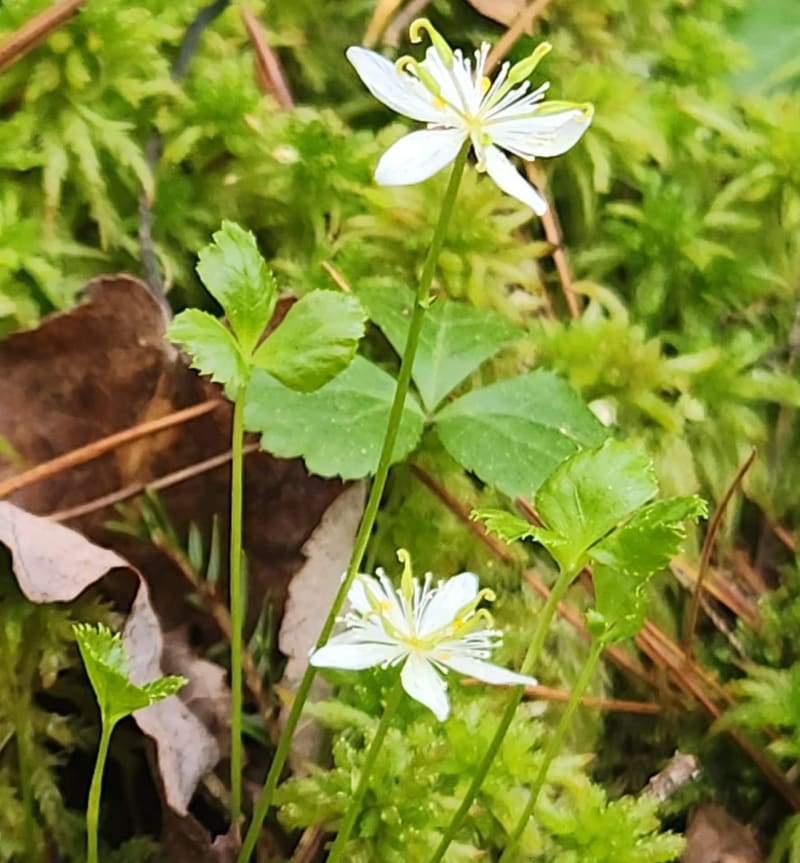
Threeleaf goldthread (Coptis trifolia)
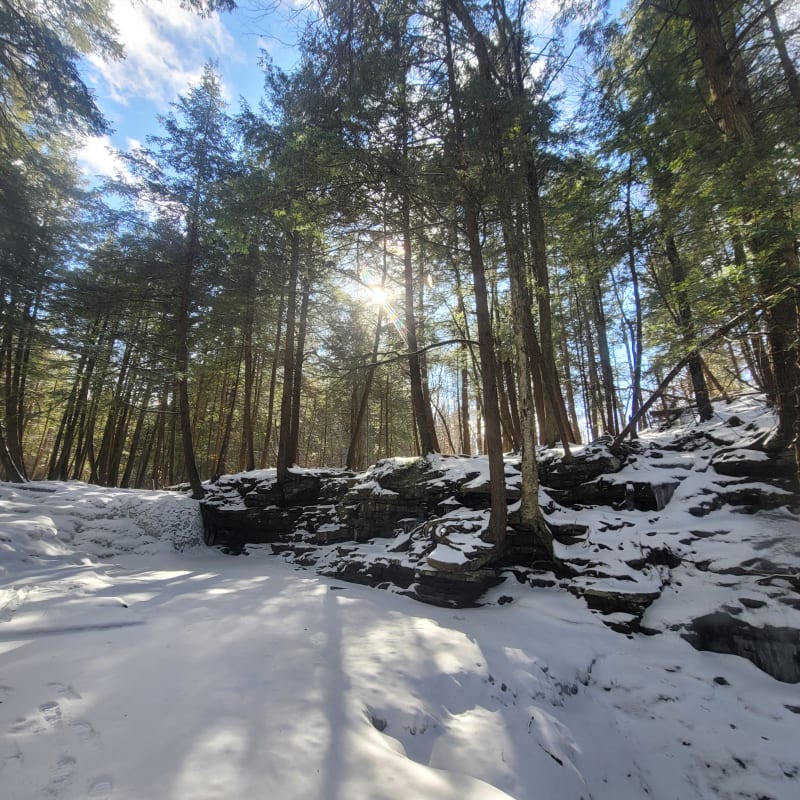
Hemlock and pine creek bank
To witness these survivors firsthand, one can visit several distinct preserves across the Commonwealth that serve as living museums of our glacial past. At the Tannersville Cranberry Bog in Monroe County, a floating boardwalk allows guided observation of the southernmost low‑elevation boreal bog in the eastern United States, where black spruce and tamarack rise from a thick mat of ancient peat.
Farther west, the Bear Meadows Natural Area in Rothrock State Forest features a high‑mountain fen surrounded by an old‑growth forest of balsam fir and red spruce, creating a stark, cold microclimate within the otherwise temperate Ridge and Valley province. And in western Pennsylvania, Moraine State Park in Butler County offers a glimpse into the massive hydrological shifts of the region’s glacial past, where the retreat of the ice sheet carved deep lakes and left behind the terminal moraines that still support specialized, cool‑adapted forest communities.
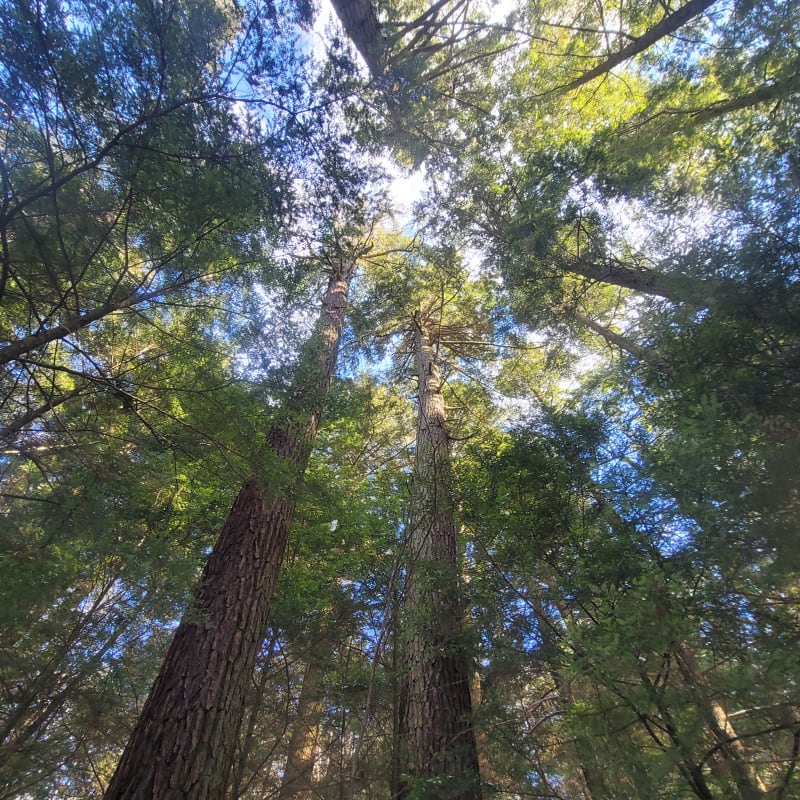
Old growth conifer canopy in north-eastern PA
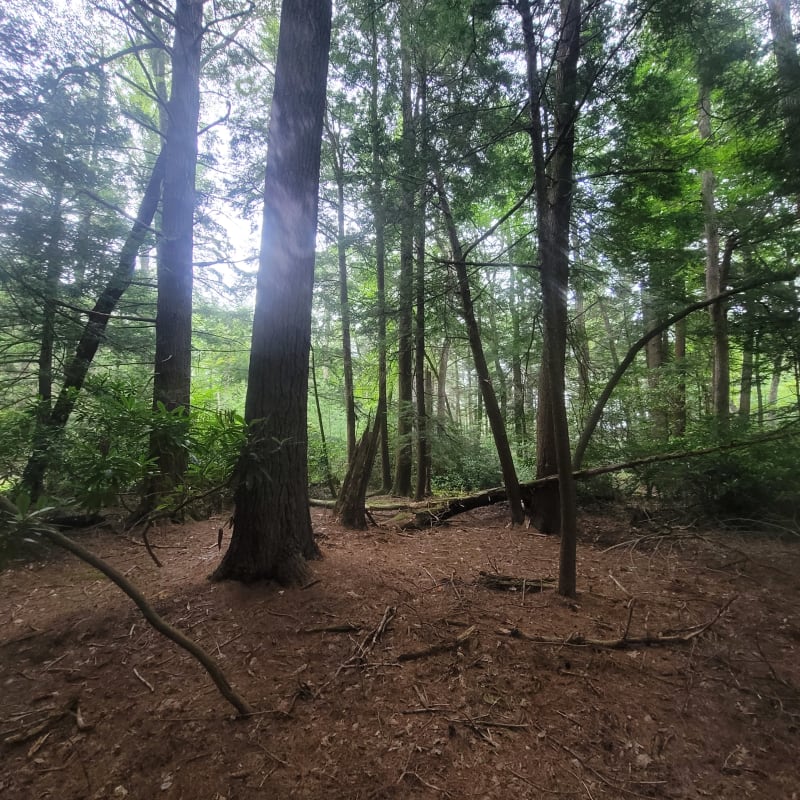
Hemlocks in Bear Meadows Natural Area