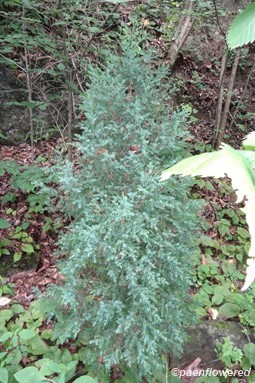
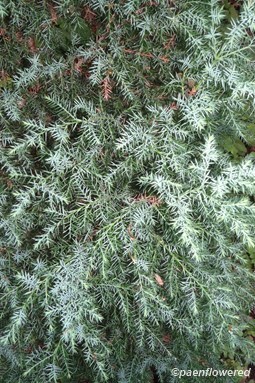
Juniperus communis

Juniperus communis common juniper

Plant grows in the wild/spontaneouslyPlant is native to PA Add to MyPlants View Locations

Infrequent in dry, open woods, slopes and pastures.

Mostly found in the east.

Wetland codes
EMP: FACU
NCNE: FACU


Flowers April to June.

PA status: PE (Endangered)
S-rank: S1 (Critically imperiled)
G-rank:  G5 (Secure)

judy (Guest)

Posted on 21 April 2026

i pot the tiny eastern red cedars that emerge on my property. after they grow a little i put them in spots where they will not be mowed... it appears that one of these is common juniper. honestly it is kind of ugly. most of the year the needles have a brownish look and they are horrible to touch. i am deciding if i should remove it before it is too big. i wonder - does this tree provide any good habitat for birds ? or are the needles too pointy and the tree to flimsy ? i know the birds love the eastern red cedars.

Posted By Admin: @judy Common juniper can look 'rough' in certain seasons - the brownish cast (winter bronzing) and sharp needles are normal for the species. Even so, it does offer habitat value. Birds such as robins, waxwings, and sparrows will eat the berries, and the dense, prickly structure can give small birds a safe hiding place from predators. It may not be as universally beloved as Eastern redcedar, but it still supports wildlife in its own way. If it’s in a spot you don’t enjoy, removing it now is easier. If you leave it, it will still contribute some food and shelter to the local ecosystem
Add Comment

Email will not be publicly shown or shared.

Juniperus communis common juniper

Plant grows in the wild/spontaneouslyPlant is native to PA
Add to MyPlants View Locations
Juniperus communis gallery
Plant Summary
evergreen shrub native flower color: yellow
Common Names
common juniper ground juniper